
Call: 07971189744
 Send Inquiry
 Send Inquiry
Dynamic Pass Box
Price 25760 INR/ Unit
MOQ : 3 Units
Dynamic Pass Box Specification
- Feature
- High Quality
- Voltage
- 230 Volt (v)
- Material
- Stainless steel
- Door
- Stainless Steel
- Floor
- Floor mounted / Wall mounted
- Nozzle
- Steel
- Lighting
- UV AND FLORECENT LIGHT
- Filter Type
- HEPA Filter
Dynamic Pass Box Trade Information
- Minimum Order Quantity
- 3 Units
- Payment Terms
- Cash Advance (CA), Cash in Advance (CID)
- Supply Ability
- 10 Units Per Month
- Delivery Time
- 10 Days
- Sample Available
- Yes
- Main Export Market(s)
- Asia, Australia, Central America, North America, South America, Eastern Europe, Western Europe, Middle East, Africa
- Main Domestic Market
- Lakshadweep, Daman and Diu, All India, Andaman and Nicobar Islands, Odisha, Manipur, Nagaland, Chhattisgarh, Haryana, South India, North India, Mizoram, Madhya Pradesh, Punjab, Rajasthan, West India, Assam, West Bengal, Himachal Pradesh, East India, Delhi, Jammu and Kashmir, Central India, Meghalaya, Chandigarh, Andhra Pradesh, Bihar, Jharkhand, Gujarat, Kerala, Telangana, Pondicherry, Maharashtra, Uttarakhand, Tripura, Uttar Pradesh, Goa, Tamil Nadu, Sikkim, Arunachal Pradesh, Karnataka, Dadra and Nagar Haveli
About Dynamic Pass Box
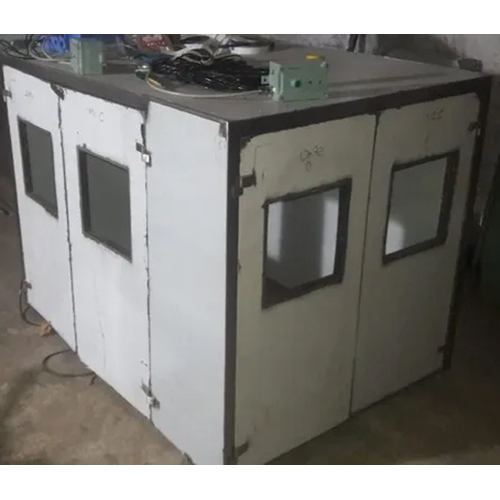
A dynamic pass box is a specialized piece of equipment used to transfer materials between two environments while maintaining cleanliness and preventing contamination. It is commonly used in cleanrooms, laboratories, and other controlled environments where maintaining a sterile environment is crucial.
Image of Dynamic Pass Box
Construction and Operation
A dynamic pass box typically consists of a chamber with two interlocked doors, one on each side. Each door is connected to a separate environment, and the doors are designed to prevent air from flowing from one environment to another. This helps to prevent the spread of contaminants.
Inside the chamber, there is a HEPA filter that cleans the air before it is released into the cleanroom. This further reduces the risk of contamination.
The pass box may also have a blower to circulate the air inside the chamber, which helps to ensure that the air is evenly distributed and that contaminants are not trapped in the corners of the chamber.
Operation
To use a dynamic pass box, the operator simply opens the door on the side where the material they want to transfer is located. They then place the material in the chamber and close the door. The blower then circulates the air inside the chamber, and the HEPA filter cleans the air before it is released into the cleanroom. The operator then opens the door on the other side of the pass box and retrieves the material.
Applications
Dynamic pass boxes are used in a variety of applications, including:
- Pharmaceutical manufacturing: Transferring sterile ingredients and products between different stages of manufacturing
- Electronics manufacturing: Transferring sensitive components between different stages of assembly
- Medical device manufacturing: Transferring sterile medical devices between different stages of manufacturing
- Laboratory research: Transferring samples and materials between different areas of the laboratory
Benefits of Using a Dynamic Pass Box
There are several benefits to using a dynamic pass box, including:
- Prevents cross-contamination: The interlocked doors and HEPA filter help to prevent the spread of contaminants from one environment to another.
- Improves efficiency: Pass boxes can help to improve efficiency by reducing the need for personnel to move between different environments. This can save time and money.
- Protects products: Pass boxes can help to protect products from contamination. This is important in industries such as food and medical device manufacturing, where contamination can make products unusable.
Safety Considerations
When using a dynamic pass box, it is important to follow safety procedures to prevent contamination. This includes:
- Cleaning and disinfecting the pass box regularly: Clean the pass box with a disinfectant solution after each use.
- Wearing gloves and other appropriate PPE when using the pass box: This will help to protect your hands and clothes from contamination.
- Only transferring materials that are clean and free of contaminants: This will help to prevent the introduction of contaminants into the cleanroom.
Comparison of Static and Dynamic Pass Boxes
Both static and dynamic pass boxes are used to transfer materials between two environments while maintaining cleanliness and preventing contamination. However, there are some key differences between the two types of pass boxes:
- Static pass boxes: Static pass boxes simply have two interlocked doors and no HEPA filter. This means that they are not as effective at preventing the spread of contaminants as dynamic pass boxes.
- Dynamic pass boxes: Dynamic pass boxes have a HEPA filter that cleans the air before it is released into the cleanroom. This makes them more effective at preventing the spread of contaminants.
In general, dynamic pass boxes are the preferred type of pass box for use in cleanrooms and other controlled environments. This is because they provide a higher level of protection against contamination. However, static pass boxes may be sufficient for some applications, such as transferring materials between low-risk environments
Advanced Contamination Control
Our Dynamic Pass Box incorporates HEPA filtration and UV sterilization to maintain contaminant-free environments. This feature is especially valuable in pharmaceutical, biotech, and electronics industries, where cross-contamination prevention is crucial. The pass box ensures the safe and clean transfer of materials between controlled zones.
Robust Stainless Steel Construction
Fabricated entirely from stainless steel, the pass box offers both durability and resistance to corrosion. Its seamless design supports thorough cleaning and long-term operation, making it a robust solution for demanding environments. The steel nozzles and doors further enhance its protective qualities.
FAQs of Dynamic Pass Box:
Q: How does the Dynamic Pass Box ensure contamination control during material transfer?
A: The Dynamic Pass Box uses a HEPA filter and UV lighting to remove airborne particles and sterilize the chamber, preventing contaminants from entering or exiting the cleanroom during transfer operations.Q: What materials are used in the construction of the Dynamic Pass Box?
A: The unit is crafted from high-quality stainless steel, including stainless steel doors and nozzles, ensuring durability, hygiene, and resistance to corrosion.Q: When should the HEPA filter and UV lamp inside the pass box be replaced or maintained?
A: The HEPA filter and UV lamp should be inspected and maintained periodically, typically every 612 months depending on usage frequency and cleanroom standards, to ensure optimal performance.Q: Where can the Dynamic Pass Box be installed in a facility?
A: This pass box can be conveniently floor mounted or wall mounted, making it adaptable for a variety of cleanroom layouts and architectural requirements.Q: What is the process for operating the pass box safely?
A: To operate, materials are placed inside the box, one door is securely closed before the other is opened, and the UV light can be activated for sterilization as needed. This interlocking system reduces the risk of contamination.Q: What are the main benefits of using a Dynamic Pass Box in controlled environments?
A: Benefits include minimized cross-contamination, efficient material transfer, high durability due to stainless steel construction, and compliance with cleanroom protocols.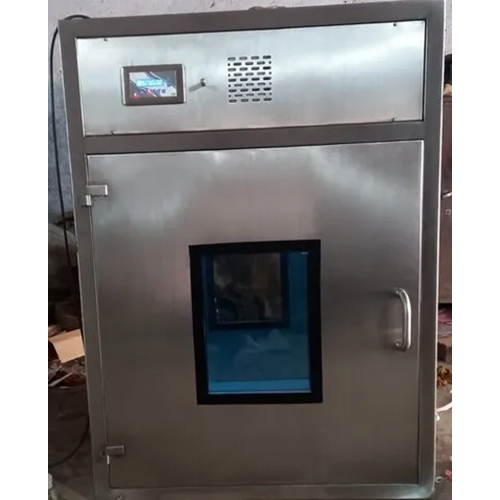
Tell us about your requirement

Price:
Quantity
Select Unit
- 50
- 100
- 200
- 250
- 500
- 1000+
Additional detail
Mobile number
Email

More Products in Pass Box Category
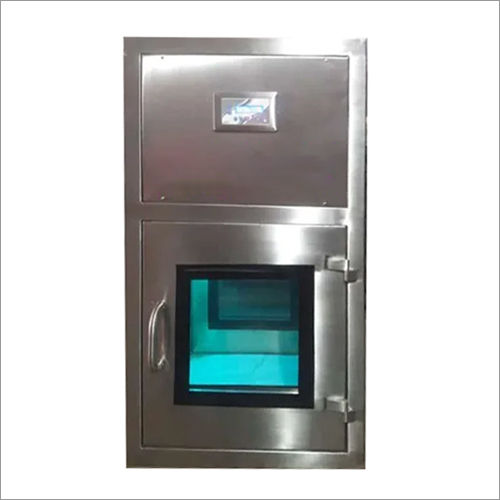
SS304 Dynamic Pass Box
Price 65000 INR / Unit
Minimum Order Quantity : 2 Units
Feature : High Quality
Voltage : 230V AC, 50 Hz
Material : Stainless steel
Condition : New
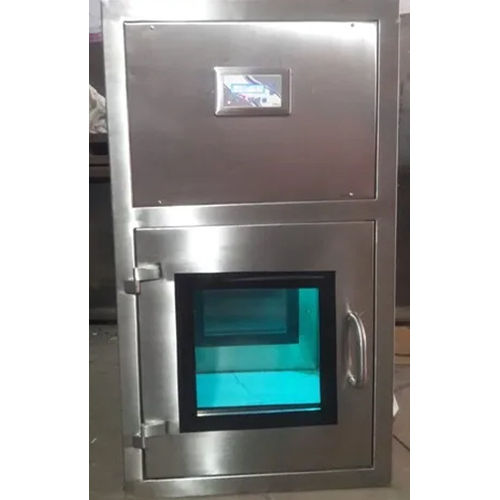
Stainless Steel Dynamic Pass Box
Price 55000 INR / Unit
Minimum Order Quantity : 1 Unit
Feature : High Quality
Voltage : 230 Volt (v)
Material : Stainless steel
Condition : New
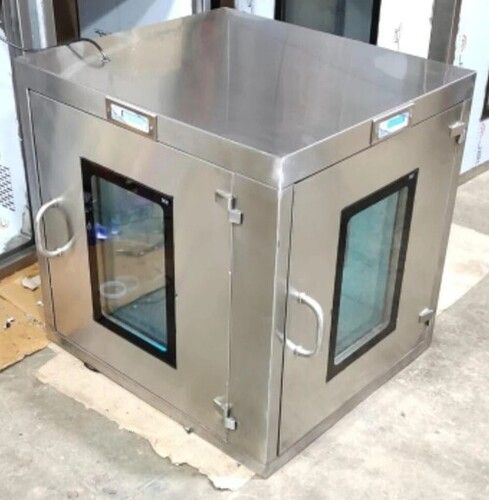
3 Way Door Pass Box
Price 37850 INR / Unit
Minimum Order Quantity : 1 Unit
Feature : High Quality
Voltage : 230 Volt (v)
Material : Stainless steel
Condition : New
L Shape Static Pass Box
Price 150000 INR / Unit
Minimum Order Quantity : 5 Units
Feature : High Quality
Voltage : 230 Volt (v)
Material : Stainless steel
Condition : New

Contact Details
SHREE SADHI TECHNICAL WORKS
GST : 27ALPPP5101K1ZT
- Gala No. 6, Ajahara Industrial Estate, Ipol Road, Opposite Punchtech Engineers, Naikpada,Vasai - 401208, Maharashtra, India
- Phone :07971189744

 Send Inquiry
- Direct Number: 09890304536

Developed and Managed by Infocom Network Private Limited.


